.png)
How Aromatherapy Impacts Health and Mood

Aromatherapy has gained popularity as a natural way to enhance health and mood. This practice uses essential oils extracted from plants to promote physical and emotional well-being. People often turn to aromatherapy to reduce stress, improve sleep, and boost energy. But how exactly does it work, and what benefits can you expect? This article explores the science behind aromatherapy and offers practical tips for incorporating it into your daily routine.
Understanding Aromatherapy Health Effects
Aromatherapy involves inhaling or applying essential oils to the skin. These oils contain aromatic compounds that interact with the body in various ways. When inhaled, the scent molecules travel through the nose to the brain’s limbic system, which controls emotions and memories. This connection explains why certain smells can trigger feelings of calm or alertness.
Topical application allows essential oils to be absorbed through the skin, where they may influence circulation, inflammation, and pain. Different oils have unique properties. For example:
Lavender is known for its calming and sleep-inducing effects.
Peppermint can stimulate the mind and relieve headaches.
Eucalyptus helps clear the respiratory system.
Chamomile soothes anxiety and promotes relaxation.
Using essential oils safely is important. Always dilute oils with a carrier oil before applying to the skin to avoid irritation. Patch testing is recommended for sensitive skin.
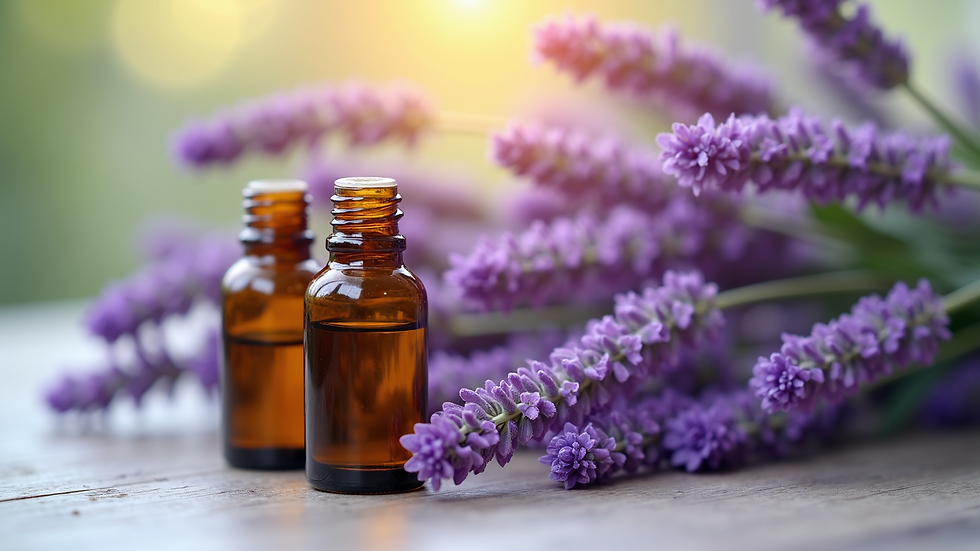
Essential oils like lavender are commonly used in aromatherapy for relaxation.
How Aromatherapy Health Effects Can Improve Mood and Stress Levels
Stress is a common problem that affects both mental and physical health. Aromatherapy offers a natural way to manage stress by influencing the nervous system. Studies show that inhaling certain essential oils can reduce cortisol levels, the hormone associated with stress.
For example, lavender oil has been widely researched for its ability to promote relaxation and reduce anxiety. A few drops in a diffuser or a warm bath can create a calming environment. Similarly, bergamot oil is known to uplift mood and reduce feelings of depression.
Incorporating aromatherapy into your daily routine can be simple:
Use a diffuser in your living or work space.
Add a few drops of essential oil to a cotton ball and inhale deeply.
Mix oils with a carrier oil for a relaxing massage.
Use scented candles or room sprays with natural essential oils.
These small steps can help create a peaceful atmosphere and improve emotional balance.

Diffusers release essential oils into the air to promote relaxation and reduce stress.
The Science Behind Aromatherapy and Physical Health
Beyond mood enhancement, aromatherapy can support physical health in several ways. Essential oils have antimicrobial, anti-inflammatory, and analgesic properties that may aid in healing and pain relief.
For instance, tea tree oil is known for its antibacterial effects and is often used to treat minor skin infections. Eucalyptus oil can help relieve congestion and improve breathing during colds or allergies. Peppermint oil is effective for soothing digestive issues and reducing muscle pain.
Research also suggests that aromatherapy may improve sleep quality. Oils like lavender and chamomile can help regulate sleep patterns by calming the nervous system. Better sleep contributes to overall health, including immune function and mental clarity.
While aromatherapy is not a replacement for medical treatment, it can be a valuable complementary therapy. Always consult a healthcare professional before using essential oils for serious health conditions.
Practical Tips for Using Aromatherapy Safely and Effectively
To get the most benefit from aromatherapy, follow these guidelines:
Choose high-quality essential oils: Look for pure, therapeutic-grade oils without synthetic additives.
Dilute properly: Use carrier oils like jojoba, coconut, or almond oil to dilute essential oils before skin application.
Avoid sensitive areas: Do not apply oils near eyes, mucous membranes, or broken skin.
Test for allergies: Perform a patch test on a small skin area before widespread use.
Use appropriate methods: Diffusers, inhalers, baths, and massages are common ways to use essential oils.
Store oils correctly: Keep them in dark glass bottles away from heat and sunlight to preserve potency.
Be mindful of pets and children: Some essential oils can be harmful to animals and young children.
By following these tips, you can safely enjoy the benefits of aromatherapy and enhance your well-being.
Exploring the effects of aromatherapy in Everyday Life
Aromatherapy is versatile and can be adapted to fit various lifestyles. Whether you want to boost your energy in the morning or unwind after a long day, essential oils offer natural support.
Here are some practical ideas to incorporate aromatherapy into your daily routine:
Morning boost: Diffuse peppermint or citrus oils to increase alertness.
Work focus: Use rosemary or lemon oil to improve concentration.
Evening relaxation: Add lavender or chamomile to your bath or diffuser.
Sleep aid: Spray a lavender pillow mist before bedtime.
Stress relief: Carry a small inhaler with calming oils for moments of anxiety.
Experiment with different oils and methods to find what works best for you. Aromatherapy can be a simple yet powerful tool to enhance your health and mood naturally.
Aromatherapy offers a holistic approach to improving both physical and emotional well-being. By understanding how essential oils interact with the body and mind, you can harness their benefits safely and effectively. Whether you seek relaxation, pain relief, or mood enhancement, aromatherapy provides a natural path to better health.

Natural ingredients like herbs and essential oils are the foundation of aromatherapy practices.


Comments